MONTEL:Strait of Hormuz Uncertainty Continues to Shape LNG Market Outlook
As discussions around the recently announced peace framework between the United States and Iran bring some relief to global energy markets, uncertainty surrounding the future governance of the Strait of Hormuz continues to influence LNG market sentiment and pricing dynamics.
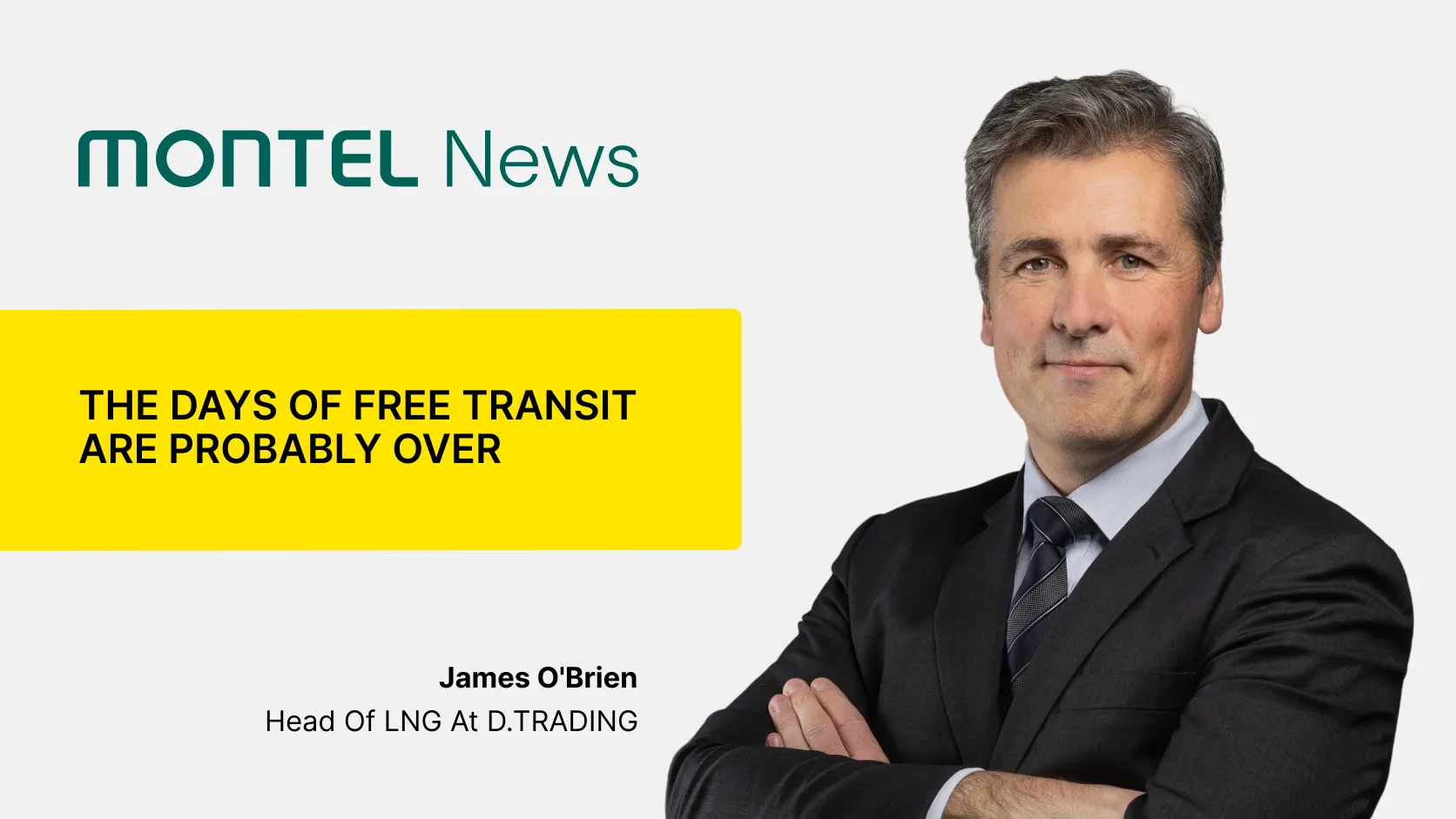
Speaking to Montel, James O’Brien, Head of LNG at D.TRADING, highlighted that while the immediate risk of military escalation may have eased, significant structural challenges remain for LNG market participants.
The Strait of Hormuz remains one of the world's most critical energy chokepoints, traditionally handling around 20% of global LNG and oil supply. While a preliminary agreement between Washington and Tehran has temporarily eased concerns over vessel movements through the region, market participants continue to assess the longer-term implications for global LNG trade.
A key area of focus is what happens after the proposed 60-day toll-free transit period outlined in the memorandum of understanding. According to O’Brien, the market is increasingly evaluating the possibility of a lasting increase in transportation costs rather than a return to pre-conflict conditions.
While expectations of increased LNG exports from Qatar and the UAE during the current transit window could temporarily weigh on prices, uncertainty surrounding future transit arrangements, shipping costs and regional governance continues to support risk premiums across LNG markets.
The developments highlight the growing importance of geopolitical factors in shaping global gas flows and market fundamentals. For LNG traders, suppliers and consumers, understanding the evolving dynamics around the Strait of Hormuz remains critical as markets continue to navigate a rapidly changing energy landscape.
Read full article HERE
D.TRADING continues to monitor global LNG developments and market fundamentals, providing customers with access to international LNG markets, portfolio optimisation expertise and flexible energy solutions across Europe.


