
D.TRADING CEO Dmytro Sakharuk: Energy resilience remains critical four years into the war
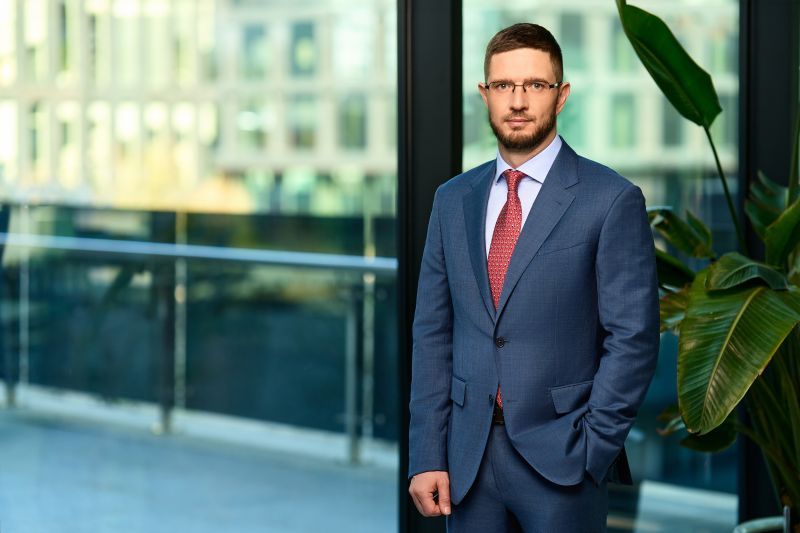
Dmytro Sakharuk, CEO of D.TRADING, said in comments to Energate that the resilience of the energy system remains a defining factor for regional stability four years after the start of Russia’s full-scale invasion.
According to industry data, hundreds of energy workers have lost their lives since the beginning of the war, while a significant share of energy infrastructure has been damaged or destroyed. Attacks on power generation facilities and grid infrastructure have intensified in recent years, highlighting the role of energy as a critical frontline for economic and societal stability.
Since late 2025, repeated strikes on thermal power infrastructure have resulted in substantial capacity losses, underscoring the ongoing challenges facing the energy system during peak demand periods.
Despite these challenges, the energy system has demonstrated significant resilience, supported by rapid operational adaptation and diversification of supply sources. LNG deliveries, underground storage, battery storage solutions, and renewable generation have all played a key role in maintaining system stability.
Sakharuk noted that diversification has become a core strategy, strengthening flexibility and improving the ability to respond to shocks while ensuring continuity of supply across the region.
Regional dynamics underline need for resilience
Recent developments across the region, including disruptions to emergency electricity supply arrangements and broader geopolitical tensions, highlight the importance of cross-border cooperation and infrastructure reliability.
As Europe continues to navigate evolving security and market conditions, strengthening infrastructure, enhancing system flexibility, and expanding diversified supply routes remain essential priorities for ensuring long-term energy stability.
Read the article here: LINK


